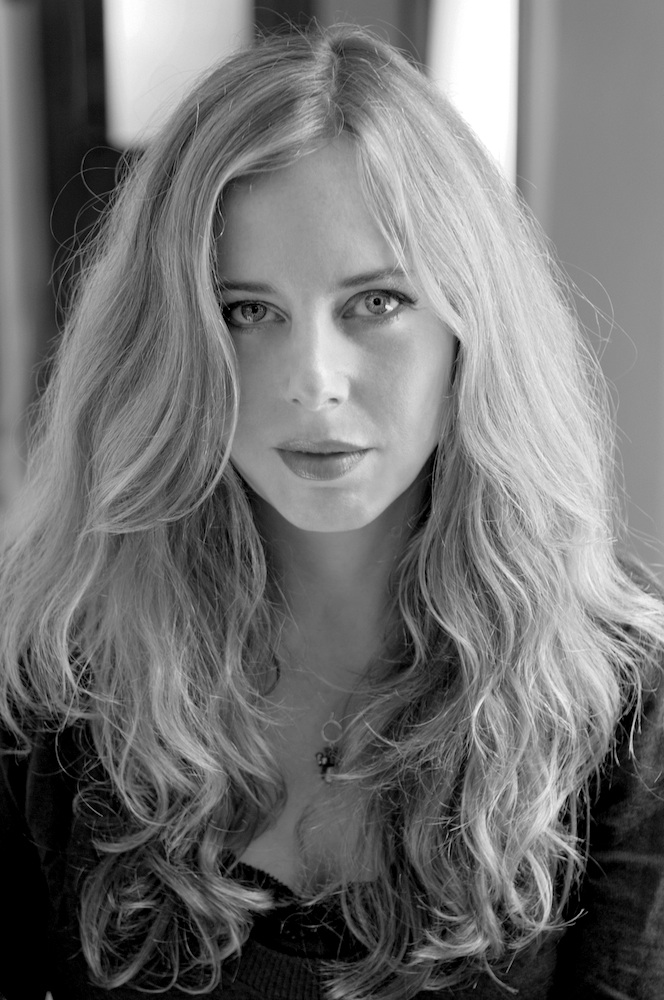
Beyond Biology: Exploring the Social & Cultural 'Woman'
The term "woman" is far more than a simple biological classification. While it fundamentally defines an adult human female, its true richness lies in the intricate layers of social meaning, cultural context, and evolving identity that have been woven around it throughout history. To truly grasp what it means to be a woman, we must venture beyond genetics and delve into the societal narratives, roles, and perceptions that shape this powerful designation.
The Multifaceted 'Woman': Beyond Biological Imperatives
At its core, as defined by dictionaries, "woman" refers to an adult human female, distinguishing her from a "girl" or a "man." This biological foundation is undeniable, rooted in genetics and physiology. However, society rarely stops there. From the moment of birth, cultural expectations and social constructs begin to layer meaning onto this biological reality. The word "woman" thus becomes a container for a vast array of attributes, aspirations, and experiences that are profoundly shaped by the world around us.
Beyond the purely biological, "woman" also denotes a female person associated with a specific role, characteristic, or occupation. Consider terms like "businesswoman," "sportswoman," or "stateswoman." These compound words highlight how society integrates female identity with professional achievement and public contribution. They reflect not just a person's sex, but their agency and impact within their chosen field.
Furthermore, "woman" can refer to the female sex collectively. This collective sense is crucial when discussing societal trends, gender equality, and historical movements. When we talk about "the rights of woman," we are addressing universal concerns and aspirations for all individuals identifying as female, irrespective of their specific background or location. This collective understanding underscores the shared experiences and struggles that often unite women across diverse cultures and geographies. For a deeper dive into these foundational meanings, you might explore
Understanding 'Woman': Core Definitions for Her Story.
Language, Perception, and the Power of a Word
Language is a powerful tool, not just for communication but for shaping our understanding of the world. The word "woman" is primarily a noun, with its distinct plural form, "women" (pronounced /ˈwɪmɪn/). Its pronunciation, "WUHM-uhn" (/ˈwʊm.ən/), is unique and memorable, carrying with it a weight of history and meaning.
Understanding the synonyms and antonyms of "woman" further illuminates its place in our lexicon. Synonyms like "lady," "female," "madam," "gal," "dame," or even "matron" offer nuanced alternatives, each carrying slightly different connotations of formality, age, social standing, or affection. For instance, "lady" often implies elegance or politeness, while "gal" is more informal and friendly. These variations allow us to articulate specific aspects of female identity in different contexts.
Conversely, antonyms such as "man," "boy," "male," or "gentleman" define "woman" by contrast. This binary opposition has historically underpinned many societal structures, often creating rigid gender roles and expectations. The very act of naming something inherently defines it, and the linguistic landscape surrounding "woman" reflects centuries of societal norms and evolving perspectives. For a comprehensive guide on its linguistic nuances, check out
The Word 'Woman': Its Meaning, Usage, and Pronunciation Guide.
Navigating the Cultural Landscape: The Evolving Narrative of 'Woman'
The social and cultural dimensions of "woman" are incredibly dynamic, shifting across time and geography. What it means to be a woman in one culture might be vastly different from another. In some societies, women have historically been confined to domestic roles, while in others, they have been leaders, warriors, and spiritual guides. These varying narratives illustrate that "woman" is not a monolithic concept but a spectrum of experiences shaped by tradition, religion, politics, and economics.
Consider the profound impact of women throughout history. From the ancient matriarchs to modern-day activists, innovators, and leaders, the journey of a
woman walking across us, leaving her indelible mark, is evident everywhere. Her contributions have enriched every facet of human civilization, from science and art to governance and family life. Each individual woman, through her choices, her work, and her very existence, contributes to the collective tapestry of what "woman" represents.
Today, the discussion around "woman" is more vibrant and inclusive than ever. Conversations about gender identity, intersectional feminism, and the fluidity of roles challenge traditional definitions and broaden our understanding. The evolving narrative acknowledges that a woman's identity is not solely determined by biology or societal expectations but is also deeply personal and self-defined. This allows for a celebration of diverse experiences, recognizing that every woman's story adds a vital thread to the fabric of humanity.
Practical Insights for Understanding and Respecting 'Woman'
Understanding the depth of the term "woman" is crucial for fostering respectful and inclusive societies. Here are some practical insights:
- Challenge Assumptions: Avoid making assumptions about a woman's roles, abilities, or interests based solely on her gender. Every woman is an individual with unique talents and aspirations.
- Embrace Diversity: Recognize that the experience of womanhood is not universal. Factors like race, class, sexuality, ability, and geographical location significantly shape a woman's life. Appreciate the richness that this diversity brings.
- Listen and Learn: Engage with women's voices and perspectives. Read books by female authors, listen to women's stories, and seek to understand different viewpoints.
- Support Empowerment: Advocate for policies and initiatives that promote gender equality and empower women in all spheres of life, from education and health to economic opportunity and leadership.
- Use Language Mindfully: Be conscious of the language you use. While terms like "lady" or "gal" can be appropriate in certain contexts, ensure they are not used to diminish or stereotype. Always prioritize respectful and inclusive language.
In essence, every
woman walking across us, whether literally in our daily lives or metaphorically through her impact on society, embodies a piece of this complex and evolving story. Her presence challenges, inspires, and enriches our collective human experience.
Ultimately, "woman" is a word imbued with incredible significance. It bridges biological reality with profound social constructs, cultural narratives, and individual identities. To understand "woman" is to understand a fundamental aspect of humanity itself – one that is constantly evolving, challenging boundaries, and shaping the world with strength, resilience, and an unwavering spirit. By appreciating its multifaceted nature, we not only honour individual women but also enrich our collective understanding of gender, identity, and the vibrant tapestry of human experience.